August Jackson
Acronym Armchair
Acronym Armchair is our new series where we take the acronyms we hear every day and give them a fresh perspective. Each entry starts with a familiar term, then reimagines what it can mean through the lens of our team’s experiences in events, communications, marketing, and business development. Think of it as bite-sized thought leadership: quick reads filled with practical insights, real stories, and a few ideas that might just change the way you think about the work we do.
Scroll through our entries below to explore each acronym and discover the conversations behind the letters.
ENTRIES
ENTRY BY ELISE GILLESPIE, BUSINESS DEVELOPMENT LEAD, ON AUGUST 18TH, 2026
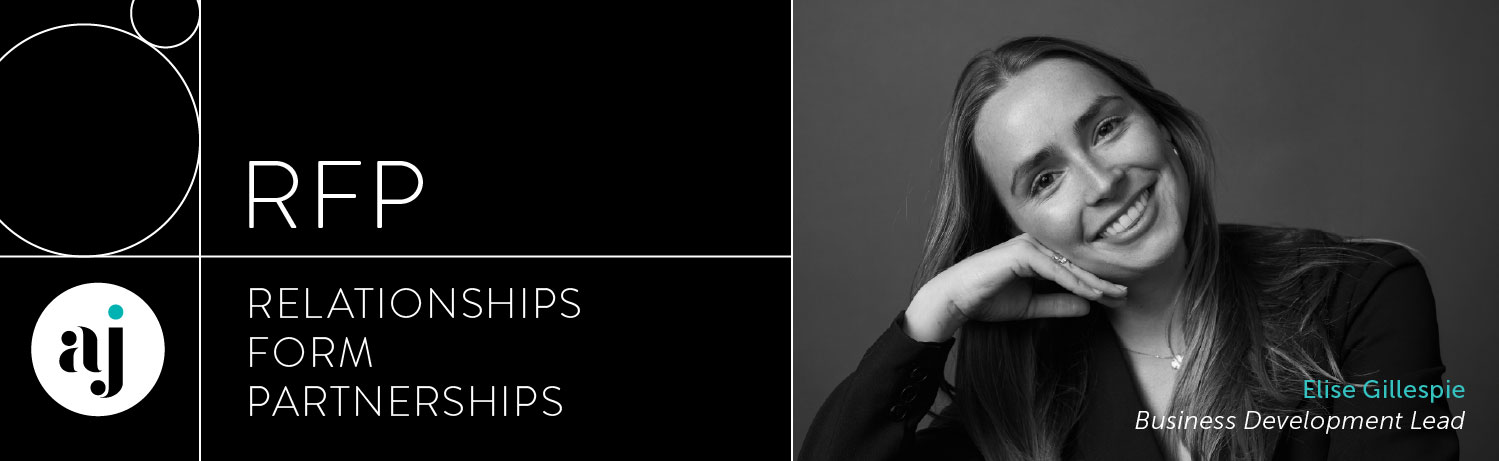
One thing I have learned in business development is that the RFP is rarely the whole story.
The document tells you the scope, timeline and deliverables. It does not tell you how the team works, what has gone wrong before, who is nervous about the decision or what they actually need from an agency day to day. That is where the relationship part matters.
A coffee, a referral, a quick conversation at an event or even a few honest emails can give you context you would never get from the brief alone. You start to understand what the client values, where the pressure is coming from and whether your team is actually a good fit.
A deck may list services, but a relationship can reveal the experience behind them, from automotive expertise to decades producing major live events. It can also show that separate RFPs for content, events and communications may not require separate partners. A more casual conversation about the agency’s full capabilities could save time, cost and the headache of managing several simultaneous RFPs and multiple potentially disconnected partners.
It works both ways. On the agency side, we want to know who we would be working with. Is this a problem we’re equipped to solve? Is the timing realistic? Do the expectations match the budget? Would the teams work well together?
None of that guarantees a win. The proposal still has to be smart and the work still has to hold up. But when there is already some trust and context, the response is sharper, more specific and less like every other agency saying the same thing.